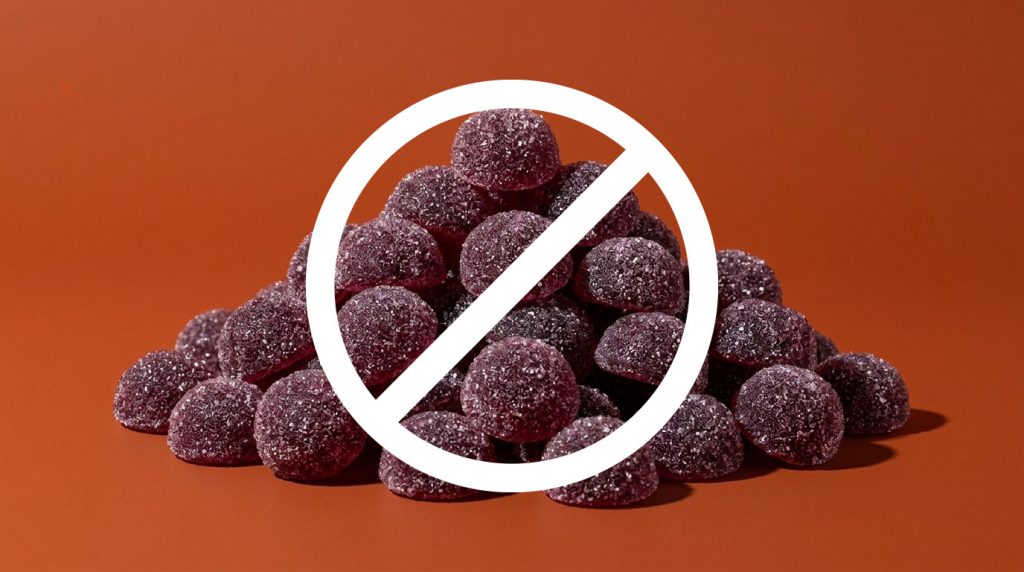
The upcoming federal ban on THC-infused products, set to take effect in November 2026, has sparked significant concern across the hemp and cannabis industries. This legislation, buried within a government spending bill, aims to close loopholes in the 2018 Farm Bill that allowed for the proliferation of intoxicating hemp-derived products. Here’s what you need to know about these changes and their potential impact.
The 2018 Farm Bill legalized industrial hemp, defining it as cannabis with less than 0.3% delta-9 THC. However, this definition inadvertently created a loophole, enabling the production of intoxicating products like THC-infused drinks, gummies, and snacks. These products, often derived from hemp, have become widely available, even in states where recreational marijuana remains illegal.
The new legislation, championed by Senator Mitch McConnell, seeks to address these issues by banning products containing more than 0.4 milligrams of THC per container. This move is intended to curb the availability of unregulated and potentially harmful products, particularly to minors.
The hemp industry, valued at $24 billion nationally, faces a significant threat from this ban. Businesses that rely on THC-infused products, such as craft breweries and specialty shops, could see a substantial portion of their revenue disappear. For instance, Mia Troy, owner of Sugar Buzzed in Wilmington, NC, estimates that 40% of her inventory would be eliminated under the new rules.
The ban also jeopardizes over 300,000 jobs and could result in $1.5 billion in lost state tax revenue. Small businesses, like Bauhaus Brew Labs in Minneapolis, which derive a significant portion of their income from THC beverages, may struggle to survive.
Many industry stakeholders argue that regulation, rather than an outright ban, is the better path forward. Proposals include implementing age restrictions, banning synthetically derived THC, and establishing quality control measures. Advocates like Troy are urging customers to contact legislators and push for a compromise that preserves the industry while addressing safety concerns.
The ban’s one-year implementation delay provides a window for potential legislative changes. Lawmakers from states like Minnesota and Kentucky are exploring alternatives, such as allowing states to develop their own regulatory frameworks or adopting stricter national standards modeled after successful state programs.
As the November 2026 deadline approaches, the hemp and cannabis industries are at a crossroads. The outcome will not only shape the future of these sectors but also set a precedent for how emerging industries are regulated in the United States.
Sources:
https://www.pbs.org/newshour/politics/what-to-know-about-the-looming-federal-ban-on-thc-infused-drinks-and-snacks
https://www.wect.com/2025/12/20/thc-products-face-federal-ban-under-new-spending-bill/
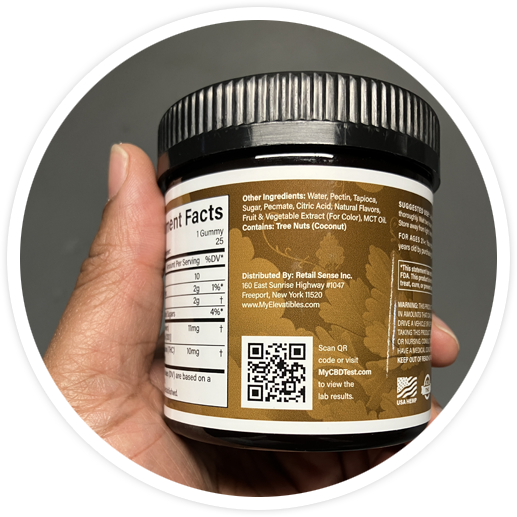
Each batch of Elevatibles gummies are tested by an independent laboratory for:
Each pack of Elevatibles purchased includes a QR code that can be scanned to view the test results of that specific batch.
Not Sure About CBD? Try a Free Gummy on Us!*
Curious about CBD but not ready to commit? We’ve got you covered! Our free sample CBD gummy is the perfect, no-pressure way to see how it can help you relax, unwind, and feel your best—naturally.
No fuss, no risk—just one small step toward discovering how CBD might work for you! Just pay for shipping.
*You must be 21 years old or older to order. Consult your local laws governing the use of CBD products.